
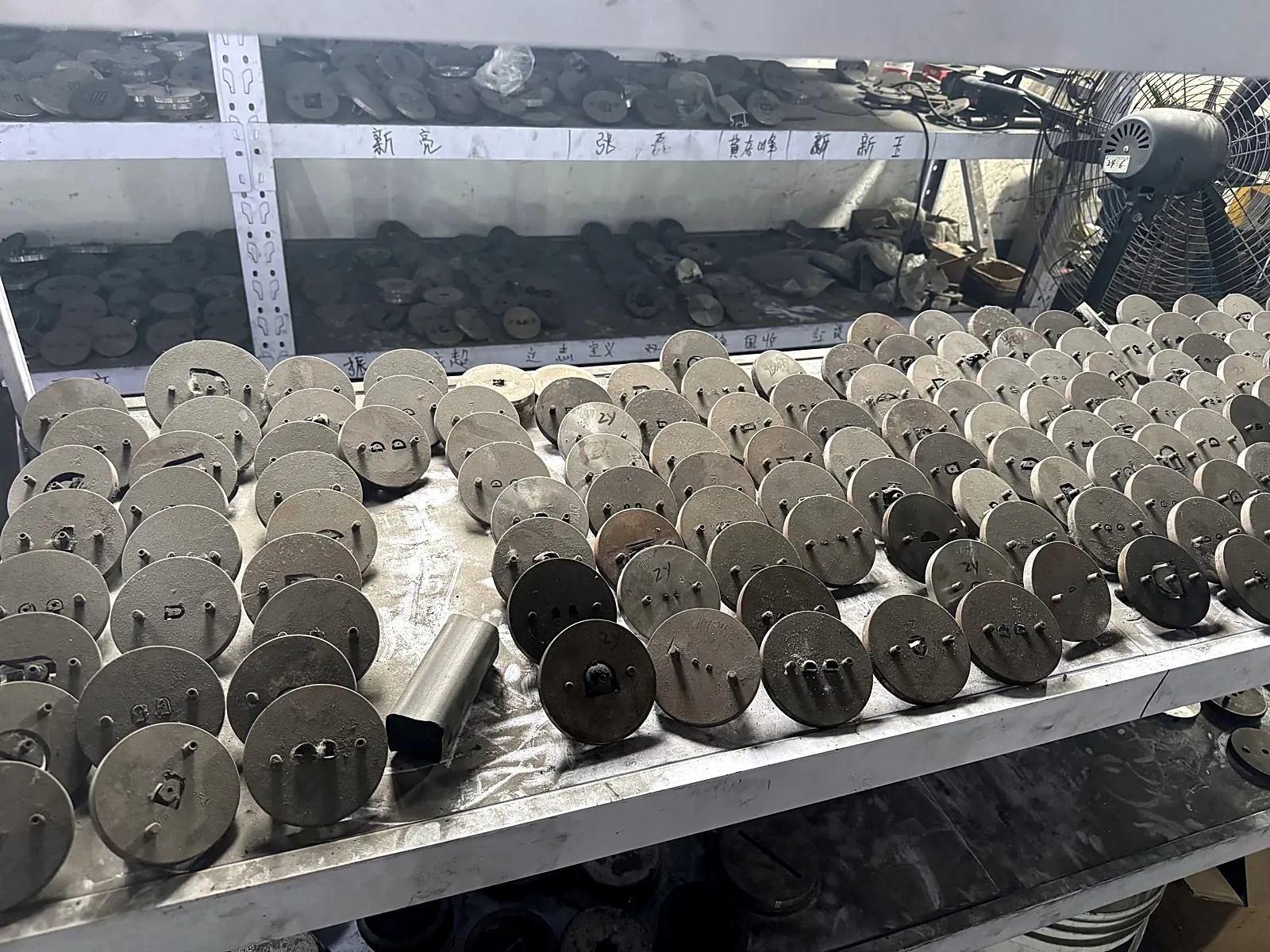
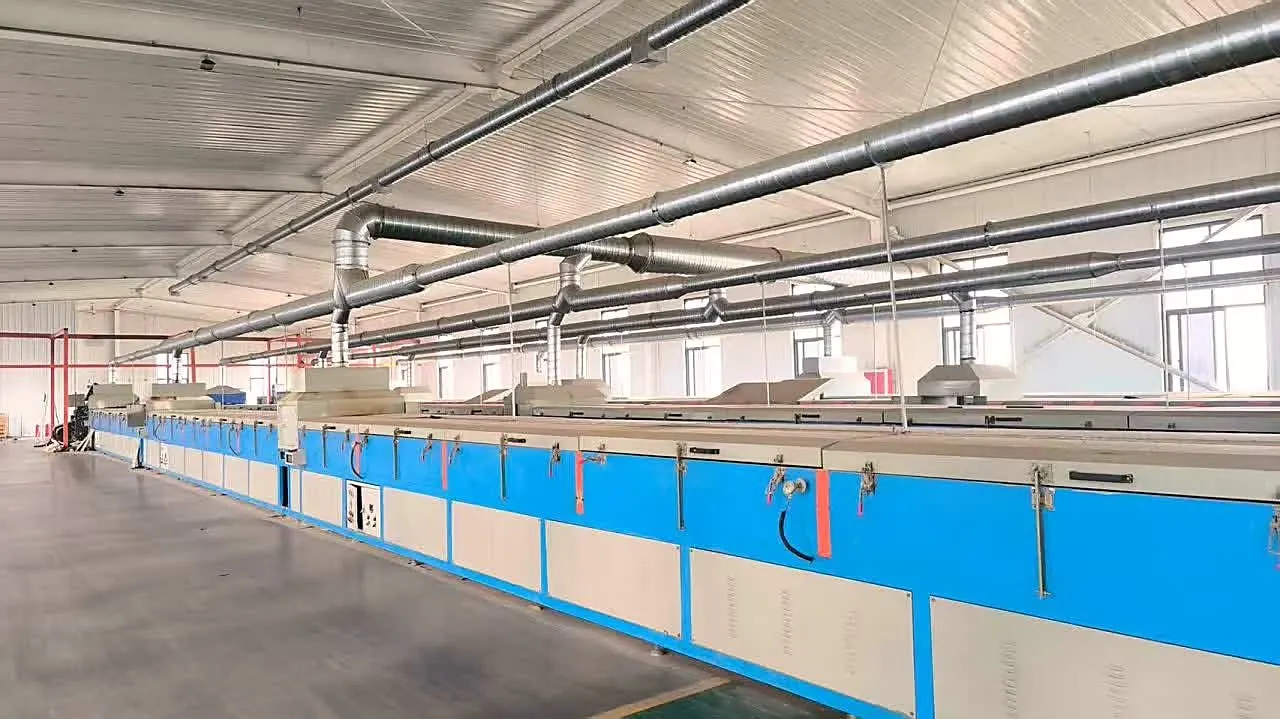
Rubber extrusion pushes uncured rubber compound through a steel die shaped like the profile's cross-section; the continuous strip is then cured (vulcanised) in a hot-air, microwave or salt-bath line, cooled, cut or coiled and packed. A new profile needs a new die, so you start with a drawing or sample; sampling for most profiles takes 7–10 days and mass production about 20 days per 40GP container.
Step by step
- Compound: EPDM, silicone, NBR or blends, mixed to the hardness and colour you need.
- Die: cut to your cross-section; one die per profile.
- Extrusion: the compound is pushed through the die.
- Curing: the strip is vulcanised continuously.
- Finishing: cutting, coiling, adding adhesive tape or flocking.
- Inspection: section checked against the drawing, hardness tested.
What affects cost and lead time
| Factor | Why |
|---|---|
| Section complexity | Thin walls, hollow chambers and sharp details need more die work |
| Material | Silicone and special compounds cost more than EPDM |
| Co-extrusion | Two hardnesses or a metal carrier add steps |
| Quantity | Set-up cost is spread over the run |
| Finishing | Adhesive tape, flocking, cut-to-length |
Starting a custom profile
Send a drawing or a photo of the cut end next to a ruler, the material or application and an estimated quantity. For most custom profiles from a drawing, tooling and samples are usually free – you pay the courier. See the quote checklist.
Quick questions
What is the difference between extruded and moulded rubber?
Extrusion makes continuous lengths with a constant cross-section; moulding makes discrete 3-D parts in a closed mould.
How accurate are extruded profiles?
Extruded rubber has wider tolerances than machined parts. Agree critical dimensions on the drawing; every batch is measured against it.
Need a seal for this?
Send your section, gap size or a photo of the old seal – Dora replies usually within 2 hours. Custom extruded & moulded rubber parts are available from 10 m.