
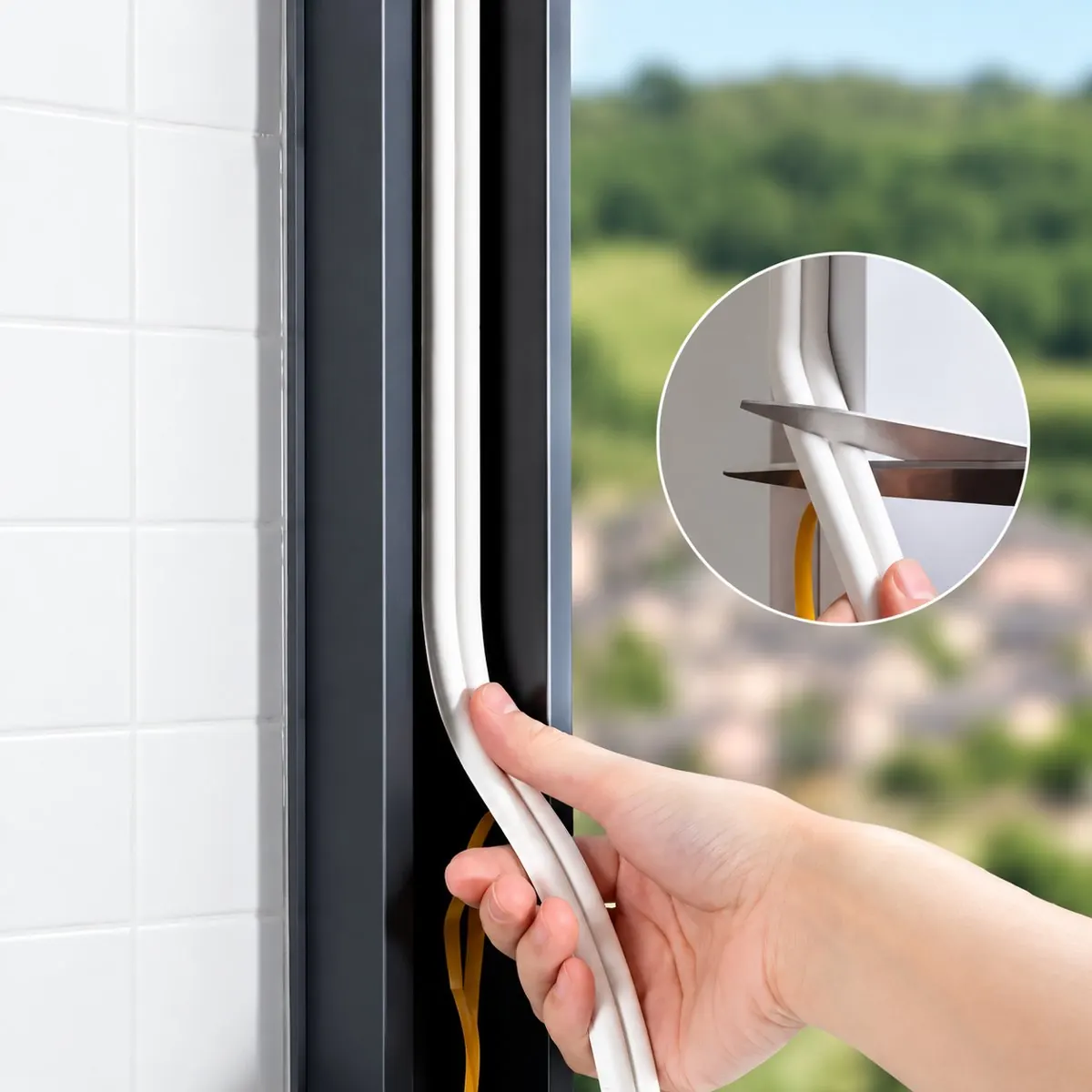
For outdoor and long-life sealing choose EPDM foam tape: it resists UV, ozone and temperature from about –40 °C to +120 °C and keeps its spring. PVC foam is cheaper and seals well indoors but stiffens in the cold. PE foam is firm and is used more for spacing and gasketing. PU foam is very soft and suits uneven, low-pressure gaps indoors.
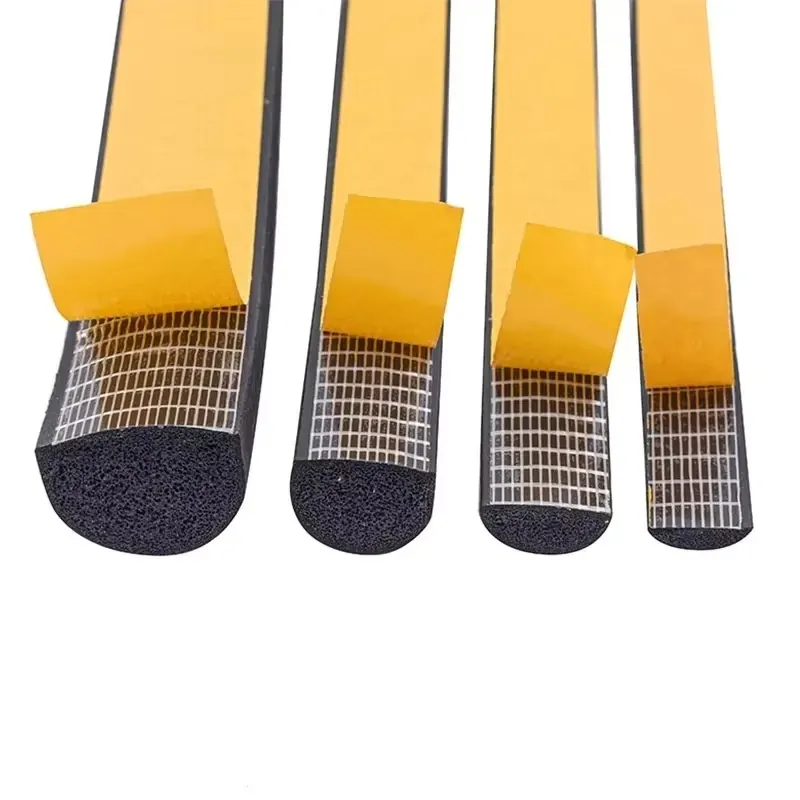
Comparison
| Foam | Outdoor / UV | Compression recovery | Typical use |
|---|---|---|---|
| EPDM foam | Excellent | Good – keeps its spring | Doors, windows, outdoor enclosures, vehicles |
| PVC foam | Fair | Fair | Indoor gaps, cabinets, low cost |
| PE foam | Good | Low – firm | Spacers, panels, packaging |
| PU foam | Poor in sun | Very soft | Indoor, uneven gaps, kerf-in door seals |
Single- or double-sided?
Single-sided tape sticks to one surface and seals against the other – the normal choice for doors and windows. Double-sided foam bonds two parts together (panels, glazing beads, nameplates) and seals the joint at the same time.
What to specify
- Width × thickness (mm), roll length
- Foam material and colour
- Single- or double-sided, adhesive type
- Packing: rolls, bobbins or retail cards
EPDM foam strips come in black, white, brown, grey and beige; see the foam seal tape range.
Quick questions
Is EPDM foam tape waterproof?
Closed-cell EPDM foam does not soak up water and seals against rain when it is compressed in the joint.
What thickness of foam tape do I need?
A little more than the gap, so the tape is compressed when the door, lid or panel is closed.
Need a seal for this?
Send your section, gap size or a photo of the old seal – Dora replies usually within 2 hours. Door & window seals are available from 10 m.