
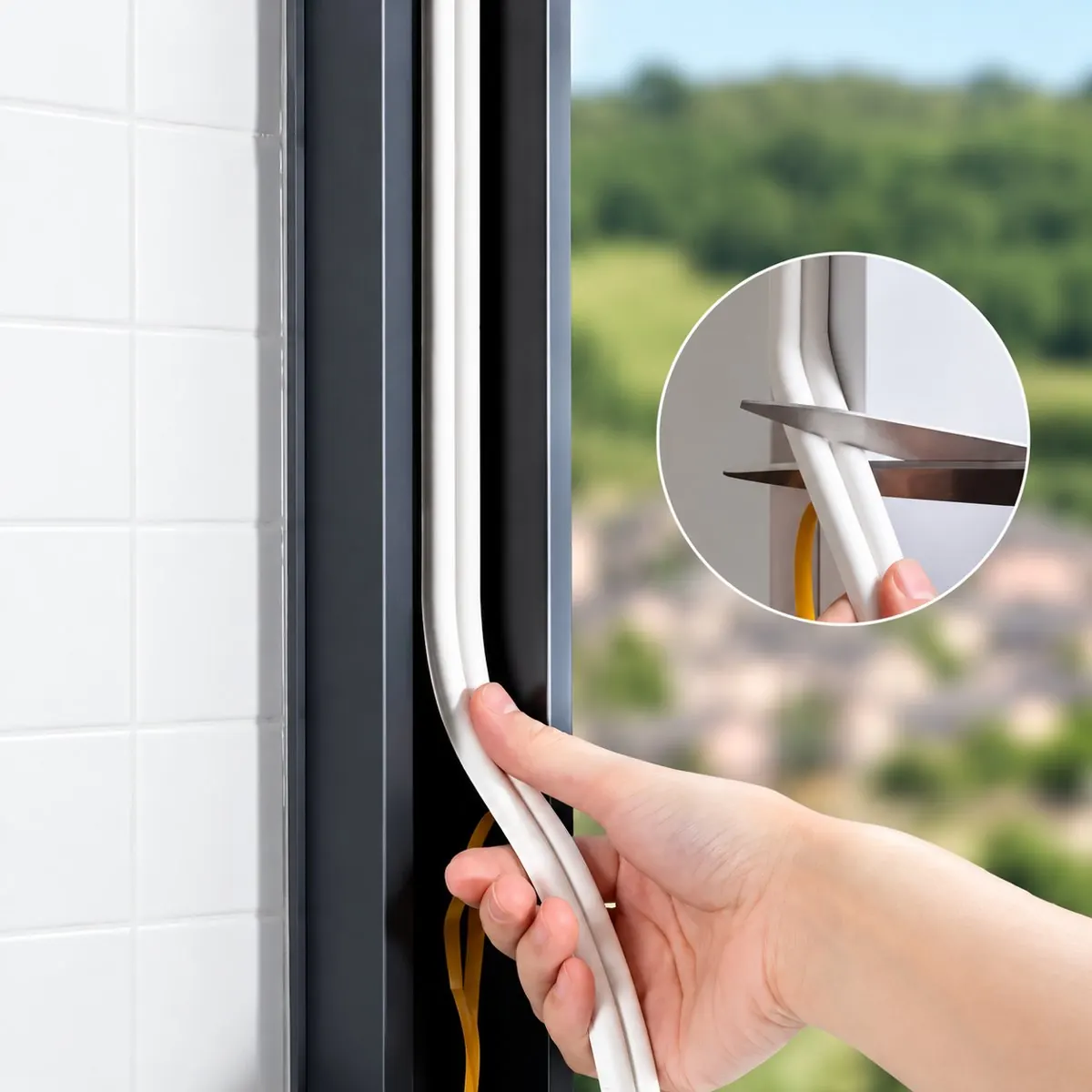
Choose EPDM foam for exterior doors, windows and anything exposed to sun and weather – it keeps its elasticity for longer outdoors. Choose PU foam (usually with a PE film cover) for interior and timber doors where a very soft, low-cost seal and an easy-closing door matter more than long outdoor life.
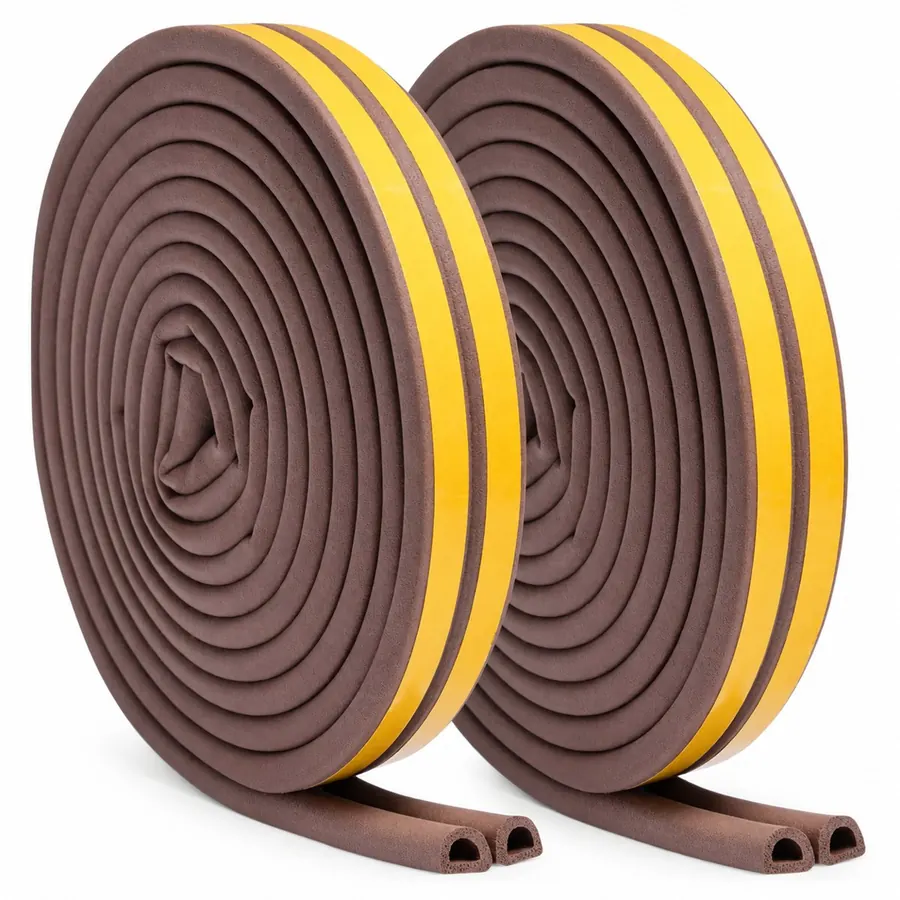
Side-by-side
| EPDM foam | PU foam (PE film) | |
|---|---|---|
| Outdoor ageing (UV, ozone) | Very good | Fair – film helps |
| Softness / closing force | Soft | Very soft |
| Typical temperature range | about –40 to +120 °C | about –30 to +80 °C |
| Recovery after years of compression | Good | Drops sooner |
| Common fixing | Self-adhesive | Self-adhesive or kerf fin |
| Relative price | Low | Low |
Typical values for general-purpose grades, for comparison only.
When EPDM foam is the better buy
Exterior doors and windows, caravans and vehicles, cold climates and hot sunny facades. If your customers complain that strips go hard and crack after a season, switching from PU or PVC foam to EPDM foam is usually the fix.
When PU foam is the better buy
Interior doors, timber frames with a routed kerf, and retail kits sold on price. PU foam with a kerf fin pushes into the groove and needs no adhesive, which gives a cleaner finish on timber.
What to tell your supplier
- Indoor or outdoor use, and the climate
- Gap size (see the D / P / E / I guide)
- Fixing: adhesive or kerf
- Colour, roll length and packing
Quick questions
Is EPDM foam waterproof?
Closed-cell EPDM sponge does not absorb water; the seal keeps rain out as long as it is compressed along its whole length.
Need a seal for this?
Send your section, gap size or a photo of the old seal – Dora replies usually within 2 hours. Door & window seals are available from 10 m.